
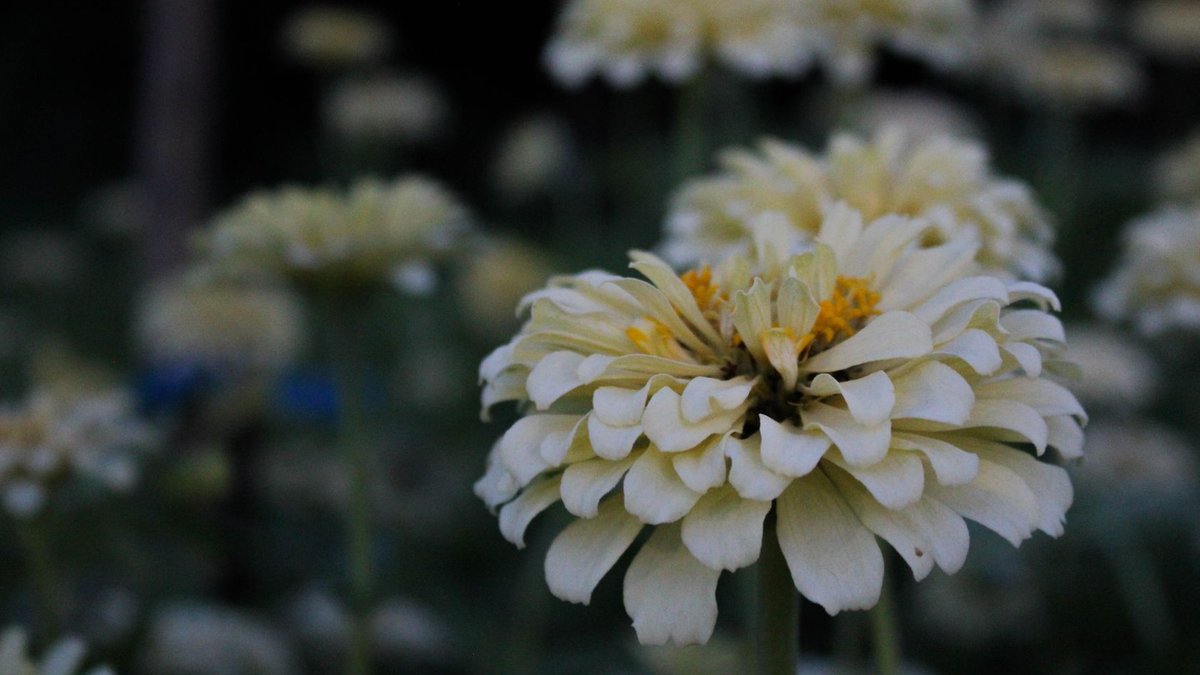
Backyard and small-farm breeders are reshaping the summer garden with a new wave of soft-hued zinnias, moving away from traditional saturated colors toward romantic pastels and neutrals.
From the garden to the bouquet
These new cultivars are largely the result of a collaborative effort rather than a corporate initiative. Breeders share information online without expecting financial profit, focusing instead on passion projects and the pursuit of specific aesthetic traits. They aim to create unique flowers.
The goal for many of these growers is practical. They want to create flowers that serve as affordable, durable alternatives to expensive garden roses and dahlias for weddings and events. Others focus on capturing anomalies like quilled petals, iridescence, and bicolor patterns that are difficult to find in standard varieties.
Tiffany Jones, who runs Blomma Flower Farm in Nevada and authored The Zinnia Breeder’s Handbook, has been selling seeds since 2019. She seeks a flower that fits a specific profile: a cut-and-come-again bloom that looks luxurious enough to be a focal point, captivates buyers, and fills a market bouquet with fewer stems.
Jones said she is looking for an exceptional cut-and-come-again bloom that looks luxurious enough to be a focal flower, captivates the buyer, can only be bought locally, and will fill a market bouquet with fewer flowers.
While large horticultural companies have not yet committed significant resources to this niche market, breeders like Jones and others are successfully introducing complex genetics into the supply chain. This grassroots movement has cracked open the door to zinnia diversity, offering gardeners access to rare and refined varieties, such as those found in a historic farm setting.
For home growers, patience is the primary requirement. It can take at least six years to move a zinnia from the first selection to seed sales. The process relies on curiosity and perseverance because the outcome of a breeding line is unpredictable.
The mechanics of breeding
Those interested in trying this themselves can start by isolating a special bloom to prevent it from being pollinated by “undesirable” pollen. Breeders cover unopened buds with organza bags and secure them tightly enough to keep insects out but loose enough to allow the flower to grow.
Once the bagged flowers open, breeders can transfer pollen using a small artist’s paintbrush. Repeating this process daily for a week increases the chances of viable seed.
After the flowers dry, the seeds are extracted, planted the following year, and isolated again. This cycle of selection and isolation continues annually until the variety is stable, similar to the process of maintaining a clean pool through regular cleaning.


