
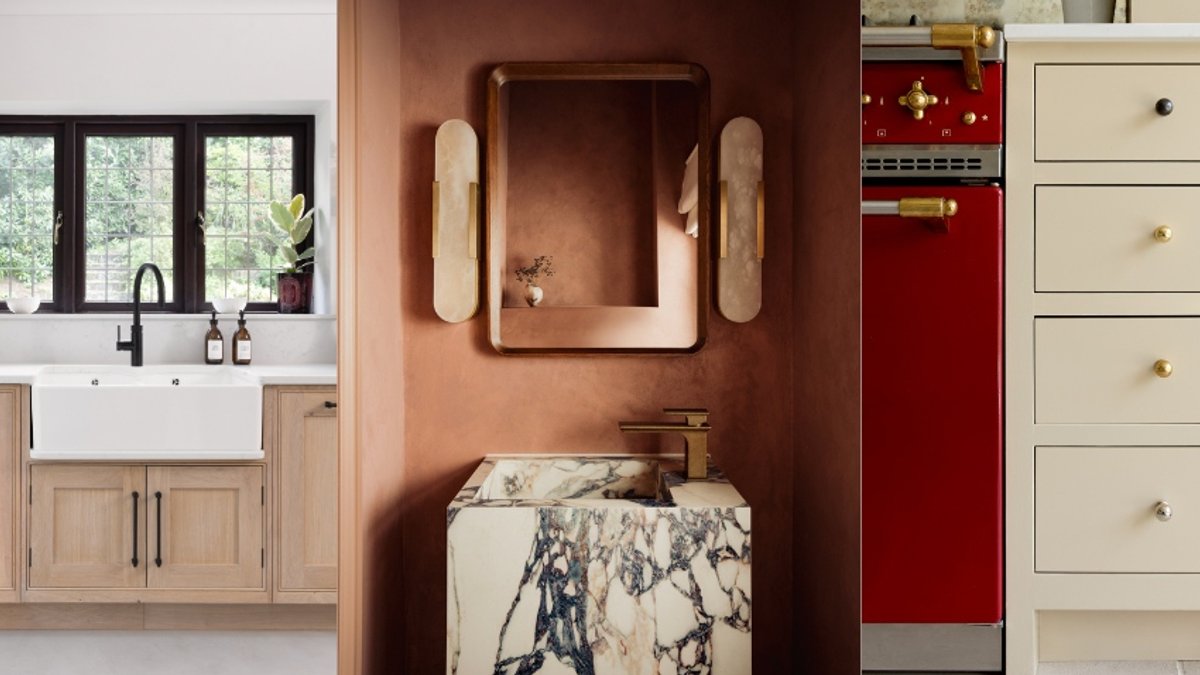
Metallic finishes in home hardware have moved beyond function to become an important part of interior design, particularly in kitchens and bathrooms. The change toward warmer metals like brass, bronze, and pewter shows a preference for softer, more welcoming looks compared to traditional chrome and nickel. Yet classic finishes remain popular when combined with darker or mixed tones to add contrast and dimension.
Mixing metals for a modern look
Different metal finishes can be combined within the same space. A brass tap may appear next to matte black light switches, or copper handles could sit alongside steel cabinetry. This method prevents monotony and adds visual appeal. Surface treatments also influence the effect. Brushed and satin metals soften light and hide smudges, making them ideal for busy areas. Aged or “living” finishes, which develop a natural patina, offer a custom look that evolves. These options let homeowners select hardware that fits their style, whether clean and contemporary or rich with texture.
For those unsure about committing to one finish, mixing metals provides an adaptable solution. A polished chrome handle can stand out against dark cabinetry, while a blackened bronze knob adds contrast. Each piece should serve a clear role in the overall design.
Where metallics make the biggest impact
Kitchens and bathrooms continue to lead in metallic hardware use, where fixtures such as taps, handles, and hinges serve as design highlights. A blackened bronze basin mixer or satin brass shower valve can define a room’s style, while smaller details like light switches or towel rings support the theme.
A Scandinavian-style kitchen might combine a black Quooker tap with matching handles and hinges for a unified, minimalist appearance. In a powder room, warm-toned quartz walls with an aged bronze basin mixer create a striking effect.
Prices range from under £20 for basic knobs to over £1,000 for statement pieces like freestanding bath shower mixers. This variety encourages experimentation, whether updating a single handle or replacing all hardware in a room.
Related: Floral Photographer Finds Self in Blooms
The trend reflects more than just aesthetics—it expresses individuality. Some may choose copper that darkens with age, while others prefer polished nickel that stays bright. Hardware becomes part of the home’s character, not merely a practical choice.
Practical considerations beyond aesthetics
While style influences many hardware decisions, durability and upkeep are also important. Brushed finishes conceal wear better than polished ones, and PVD coatings can protect metals like brass. Some homeowners choose living finishes because they change over time, hiding scratches and developing character.
A kitchen with children may benefit from satin or brushed metals that resist fingerprints. A powder room with less traffic can handle a more delicate polished finish. The best choice depends on the space and how the household uses it.
Even small details, like a bronze socket with black inserts or a brass isolator switch, can unify a room. These elements need not be costly—just consistent. The aim is to ensure every piece, regardless of size, contributes to a cohesive design.
For those updating their kitchen items, selecting hardware that balances function and style can transform the space without major changes.


