
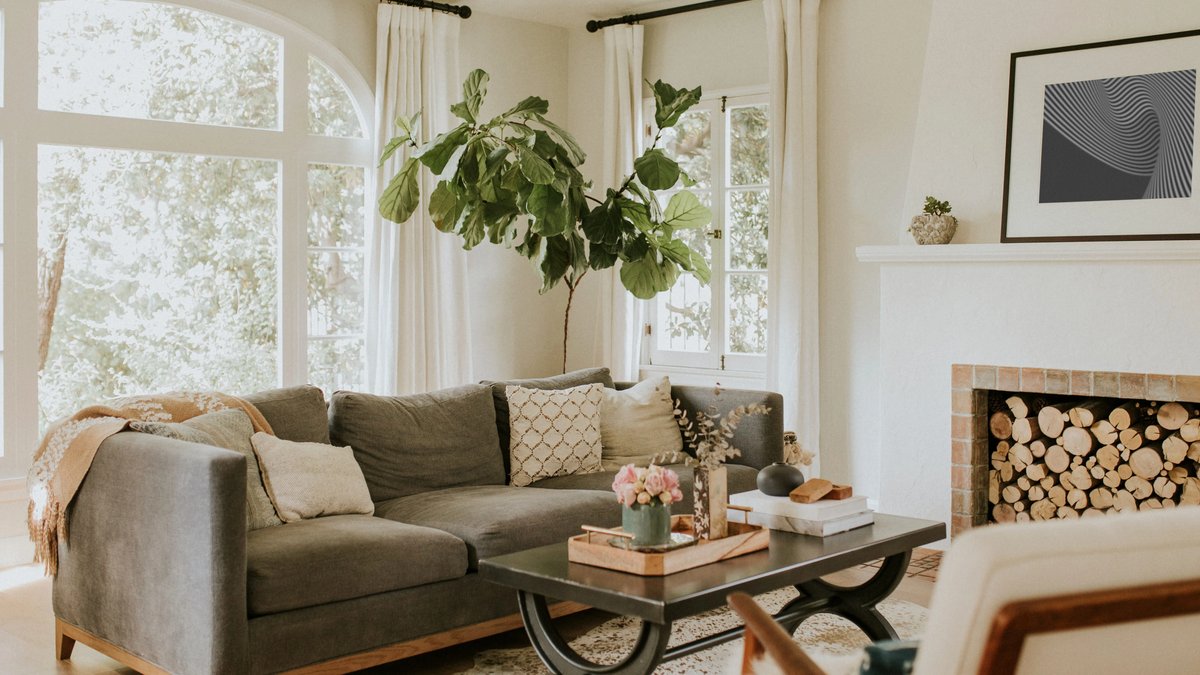
The future of residential architecture is being redefined by how people now live, work, and interact. A report from DAHLIN Group, released to mark the firm’s half-century milestone, outlines five major directions that will shape home design over the coming decades. Unlike passing trends, these shifts respond to lasting human requirements—flexibility, privacy, health, and social bonds—rather than temporary style preferences.
Wellness becomes a structural priority
Home wellness is transitioning from optional add-ons like meditation rooms or premium fitness areas to an essential part of a dwelling’s design. Justin Julian, a senior principal at DAHLIN, states that upcoming homes will emphasize measurable health benefits: purified air, optimized natural light, consistent temperature control, and direct access to outdoor areas. These features will no longer be afterthoughts but will influence how residents move through their living spaces.
The firm’s analysis shows a move toward “restorative environments” spread throughout a home instead of confined to a single area. For example, a kitchen could include an integrated indoor garden or a sunlit breakfast corner that also serves as a quiet workspace. This method ensures wellness benefits are available across different housing types and budgets, not just in high-end projects.
Practical applications include designing daily pathways that pass near windows, plants, or shaded patios—creating moments of calm without needing extra square footage. The aim is to embed these advantages seamlessly into the home’s layout, making them both unobtrusive and pervasive.
Hybrid spaces balance openness and privacy
The once-popular open-plan layout is being replaced by designs that blend visibility with controlled privacy. Darian Wagner, managing principal at DAHLIN, observes that while shared areas like kitchens remain vital for socializing, contemporary living requires more precise privacy controls. A remote-working parent, a student studying, and a child playing may all need to use the same space without constant disruption.
Future homes will incorporate adjustable boundaries, such as translucent screens, sliding partitions, or built-in furniture, to create zones that shift between openness and seclusion. A living area could expand into a dining space during meals but later transform into a quieter work area. The focus is on adaptability: spaces that respond to occupants’ needs rather than enforcing rigid configurations.
This reflects a cultural shift. Research indicates that while people value social interaction, they also need personal boundaries, particularly as remote work and hybrid schedules blur the line between home and workplace. Designers must reconcile these opposing needs without compromising usability.
One emerging trend involves eliminating fixed room definitions. A single area could function as an office one day, a guest room the next, and an elder-care space later, its purpose determined by movable walls or modular furnishings. The entire structure becomes adaptable, not just the interior decor.
Related Post: Koi Hobby Leads to Environment Design Firm
AI assists but does not replace designers
Artificial intelligence will transform home design, though its role will be supportive rather than autonomous. Wagner explains that AI will help generate initial visual concepts, translate vague ideas into discussable imagery, and bridge communication gaps between clients and designers. For instance, when a client requests “more natural light,” AI can quickly produce options, skylights, high windows, or light tunnels, to clarify choices before committing to detailed plans.
The technology’s main constraint remains human judgment. While AI can propose numerous possibilities, architects must evaluate, refine, and convert those ideas into practical designs. In the near term, AI will serve as an exploration tool, not a final decision-maker. It expands the range of options but leaves execution, what’s feasible and desirable, to human expertise.
For example, AI might generate 50 possible layouts for a tight lot, but the designer’s task is to identify which avoid future issues, such as obstructing sunlight or creating awkward traffic flows. The result is a collaborative process: machines propose ideas, professionals refine them.
This could make custom design more accessible. Homeowners who previously relied on standard plans may now explore tailored layouts without the cost of full architectural services. Yet the human role remains essential, particularly in translating abstract concepts into functional spaces.
Design supports everyday social connections
Community-focused architecture is shifting away from centralized gathering spots like clubhouses or pools toward smaller, dispersed areas that encourage informal interaction. Julian highlights neighborhoods where front yards, mini-parks, and retail corridors create natural opportunities for connection. Residents might chat with neighbors while walking a dog or sit at a shared garden bench instead of attending formal events.
The strategy integrates social potential into daily routines. Rather than requiring people to travel to a central facility, future communities will embed interaction into existing paths. This could include outdoor workspaces near apartments, shared greenhouses, or seating along sidewalks, design choices that make belonging feel organic rather than planned.
The underlying principle is psychological: people connect more naturally in small groups. A café with four seats feels less daunting than a ballroom designed for fifty. By scattering smaller spaces throughout a neighborhood, developers can create more interaction points without overwhelming residents.
This aligns with post-pandemic priorities. Many now favor local engagement over large-scale gatherings. Designers are responding by making community feel like an unintended outcome of living, not a scheduled obligation.


