
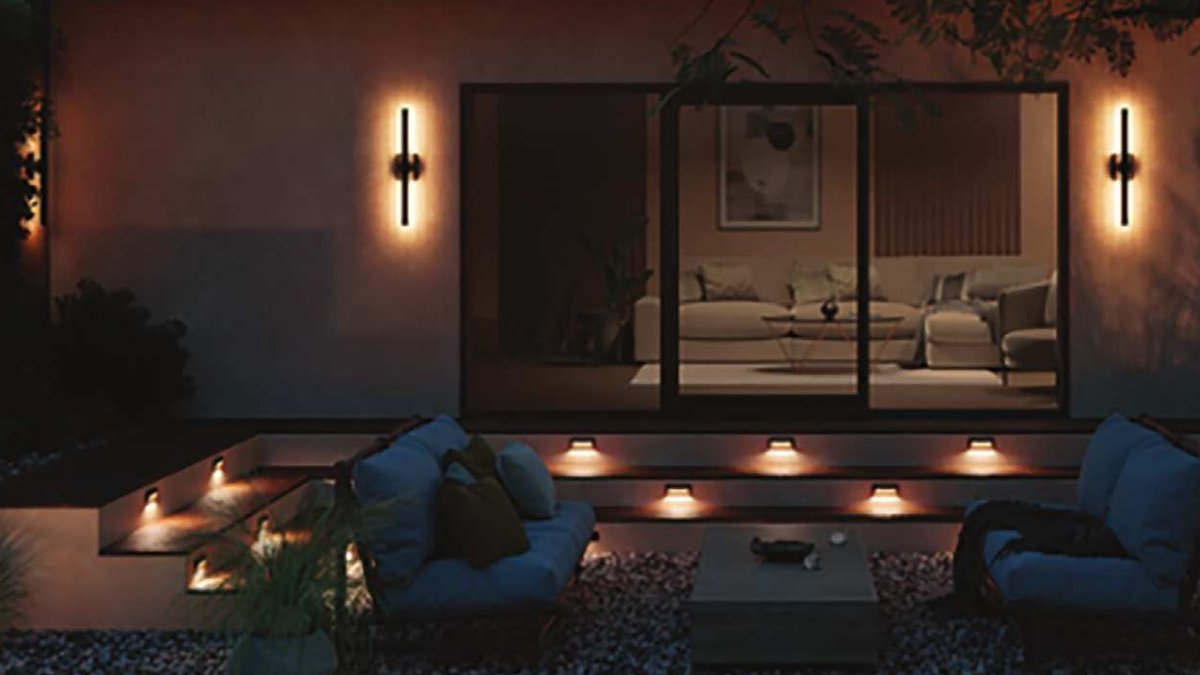
Lighting tips that curb sky glow are gaining traction across Canada as communities grapple with the loss of natural night.
Why protecting dark skies matters
Artificial light that shoots upward or outward creates a sky glow, a hazy blanket of illumination that erases stars, planets and even the Milky Way from view. The excess also wastes energy, adding to greenhouse‑gas emissions.
Ecologists note that many species depend on darkness for hunting, migration, breeding and rest. When bright fixtures disorient birds or draw insects away from their habitats, the ripple effects can reshape entire ecosystems.
Plants rely on natural light‑dark cycles to regulate growth and seasonal change. Disrupting those rhythms can alter forest productivity and wetland health, according to the report.
Human health is not immune. Exposure to artificial light at night can suppress melatonin, a hormone that helps regulate sleep. The consequence is poorer sleep quality and potential long‑term health impacts.
Beyond biology, the night sky has long served as a source of inspiration and a reminder of humanity’s place in the cosmos. When the stars fade, a piece of that shared experience disappears.
Practical steps for homeowners and municipalities
Choosing fully shielded fixtures that direct light downward is the most effective way to limit upward spill. The design ensures illumination reaches only the intended area.
Adding timers or motion sensors helps keep lights on only when needed. This approach trims unnecessary hours of illumination and cuts energy use.
Related: Barista Style Coffee Gains Massive Popularity
For handheld devices, using red filters on flashlights preserves night vision and reduces glare for nearby observers.
Municipalities are also adopting dark‑sky bylaws that set standards for new developments. Parks Canada’s Dark‑Sky Preserves illustrate how protected areas can retain their natural darkness.
These measures echo broader trends seen in other regions, where modest changes to lighting design have led to noticeable improvements in night‑time visibility. It suggests that Canada’s efforts could produce similar outcomes without sacrificing safety.
Implementing these steps does not mean plunging neighborhoods into total darkness. Rather, it is about restoring balance—using light wisely so that the stars, the land and the living world can breathe again.
In cottage country and lake regions, families already gather under clear, star‑filled skies. Preserving that quiet magic ensures future generations can share those timeless moments.
Resources such as the light pollution entry on Wikipedia and guidance from the International Dark‑Sky Association offer practical advice for anyone looking to reduce glare.
Adopting these lighting practices aligns with broader environmental goals, linking energy efficiency with biodiversity protection. It’s a small shift that could keep the night sky visible for years to come.


