
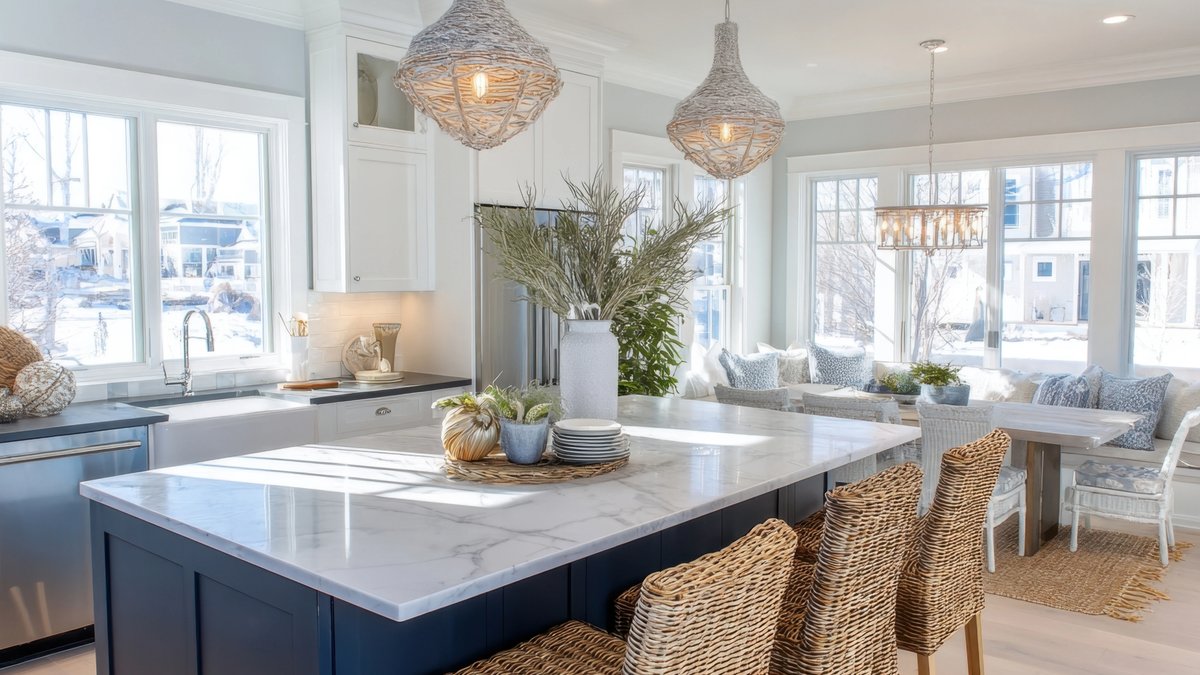
Homebuyers are increasingly prioritizing practical solutions over aspirational designs, seeking tangible convenience in the home-building process. This shift has led to a rise in shoppable model homes, a development that lets buyers move from inspiration to ownership with fewer steps.
Bringing the Model Home Online
Ali Richert, the head of home builder at Wayfair Professional, notes that buyers want to bridge the gap between seeing a design and owning it. Builders are responding by introducing features like scannable QR codes and online storefronts that link directly to the products in a model home.
Richert explains that the goal is to simplify the furnishing process. By offering these tools, builders help buyers envision their daily life in the space. This practical approach saves time and builds confidence, especially for those overwhelmed by the many decisions involved in purchasing a new home.
Why Buyers Want Furnished Options
A Zonda survey found that 73% of buyers would consider purchasing a home that is already furnished or partially furnished. This preference aligns with the broader trend of homeowners becoming more pragmatic about their purchases.
Richert points out that regardless of the buyer’s reason for purchasing, the need to furnish a new space is universal. Historically, the relationship between a builder and a buyer ended at closing. Builders are now exploring ways to extend this relationship to help with the full moving-in process.
Targeting Different Buyer Types
Various groups see value in these turnkey solutions. Investors often need to furnish a home quickly to list it for rent. Second-home buyers may want their vacation property ready for immediate use. First-time and move-up buyers frequently lack the furniture to fill a larger space.
For a lot of buyers, especially after the long process of selecting a builder, a lender, a community, finishes, cabinets, and flooring, the appeal of skipping another major decision-making project is significant. Richert notes that having a furnished option can remove time, stress, and uncertainty from the process.
The Science Behind the Merchandising
Model home merchandisers make the look of a model seem effortless, but the aesthetic is the result of a highly curated process. It involves training, talent, and careful research. Creative Design’s director of sales and marketing, Megan Calmes, says the team focuses on purposeful merchandising and thoughtful space planning.
Practical Design Guidance
The specifics of the floor plan guide the selection of furnishings, meaning buyers see pieces chosen for the very spaces they may soon call home. A buyer might choose a sofa for the living room, but the model also demonstrates how accents like tables, rugs, and artwork work together within the room’s dimensions.


