
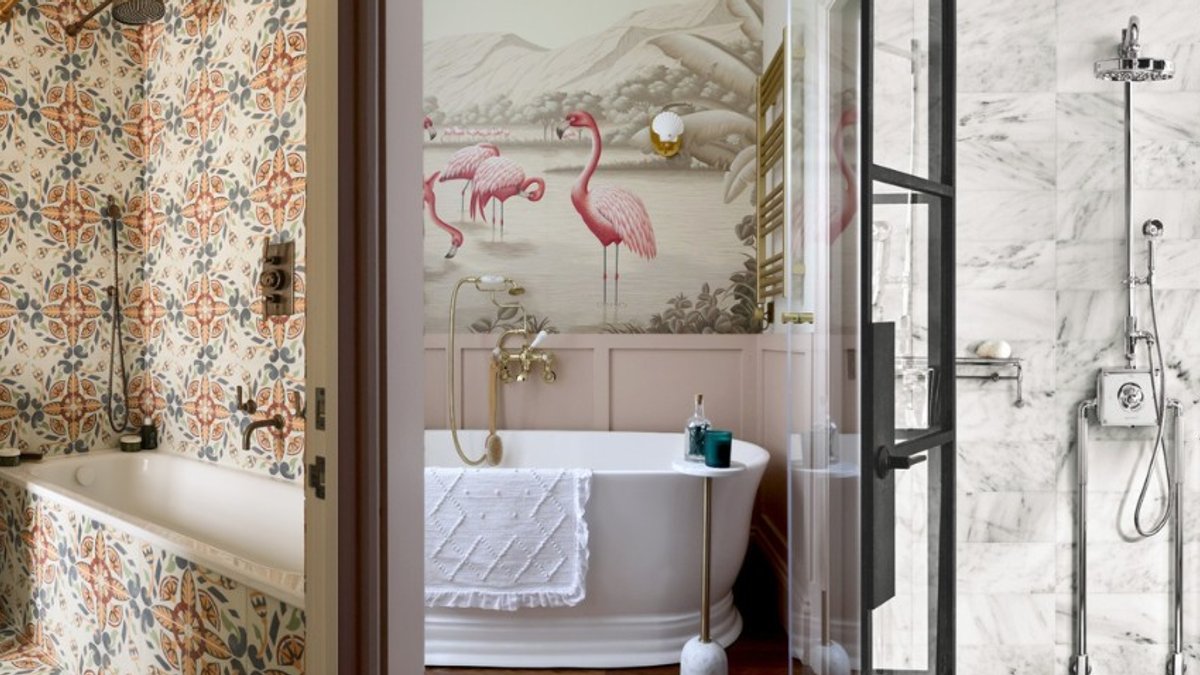
Selecting appropriate bathroom fittings and fixtures demands research and patient planning to create a stylish and functional space. With a huge variety of products available, the decision process can be overwhelming, but considering factors such as material, proportion, and user-friendliness can help.
The bathroom is one of the most hardworking rooms in the home, so it’s essential to choose fixtures and fittings that are not only stylish but also well-designed, hardwearing, and user-friendly. A wealth of interesting materials is available, including unlacquered brass, nickel, steel, and bronze, which can add real character, depth, and warmth to the space.
Choosing the Right Materials
Excellent quality never goes out of fashion, and investing in high-quality materials can ensure that the fittings and fixtures last for years to come. Solid brass is a popular choice for bath and shower mixers, as it’s inherently resistant to corrosion and dezincification. Stainless steel is also a good option, particularly in wetrooms or coastal properties where humidity and salt air are factors.
Related: Deer-Resistant Flowers Transform Front Yard Garden
When choosing materials, it’s also important to consider the finish. Unlacquered finishes can add a touch of elegance to the space, while also providing a durable and long-lasting solution. However, it’s essential to consider the maintenance requirements of the finish, as some may require more upkeep than others.
Considering Placement and Design
The placement of bath and shower controls is also vital, as it can affect the overall functionality and aesthetics of the space. It’s essential to consider how the space will be used on a day-to-day basis, rather than just focusing on the look. The controls should be easy to reach, both before stepping in and while using the bath or shower, and should be positioned to allow the water to be turned on without getting wet.
Coordination with the tiling is also key, as the controls should align with the tile joints wherever possible. Careful planning between the layout of fixtures and the tile setting can help to avoid awkwardly placed taps and create a clean, simple, and considered design.
Water pressure can also impact the choice of fittings, as some styles and types of taps, mixers, and showerheads can affect water flow. It’s essential to check the specification of the fittings and consider investing in a shower pump or thermostatic shower controls to overcome water pressure problems.
Related: Tropical Plants Add Summer Style to Containers
Budget and Price Range
Quality bathroom fittings and fixtures span a wide price range, with each price point offering something different. At the entry level, basic taps can cost between £30-£60, but these often feature plastic components and lightweight construction that won’t age well. The mid-range, roughly £100-£250 for quality taps and £200-£500 for good shower systems, offers a sweet spot for substantial fittings that provide many years of trouble-free use.
Premium fittings, £300-plus for taps and £800 or more for shower systems, offer nicer-looking finishes and often more complex functionality. However, it’s essential to consider the budget and choose fittings that meet the needs and requirements of the space, rather than just focusing on the price tag.
Ultimately, choosing the right bathroom fittings and fixtures requires careful consideration of several factors, including material, proportion, user-friendliness, and budget. By doing research, planning carefully, and considering the needs and requirements of the space, it’s possible to create a stylish and functional bathroom that will last for years to come.


