
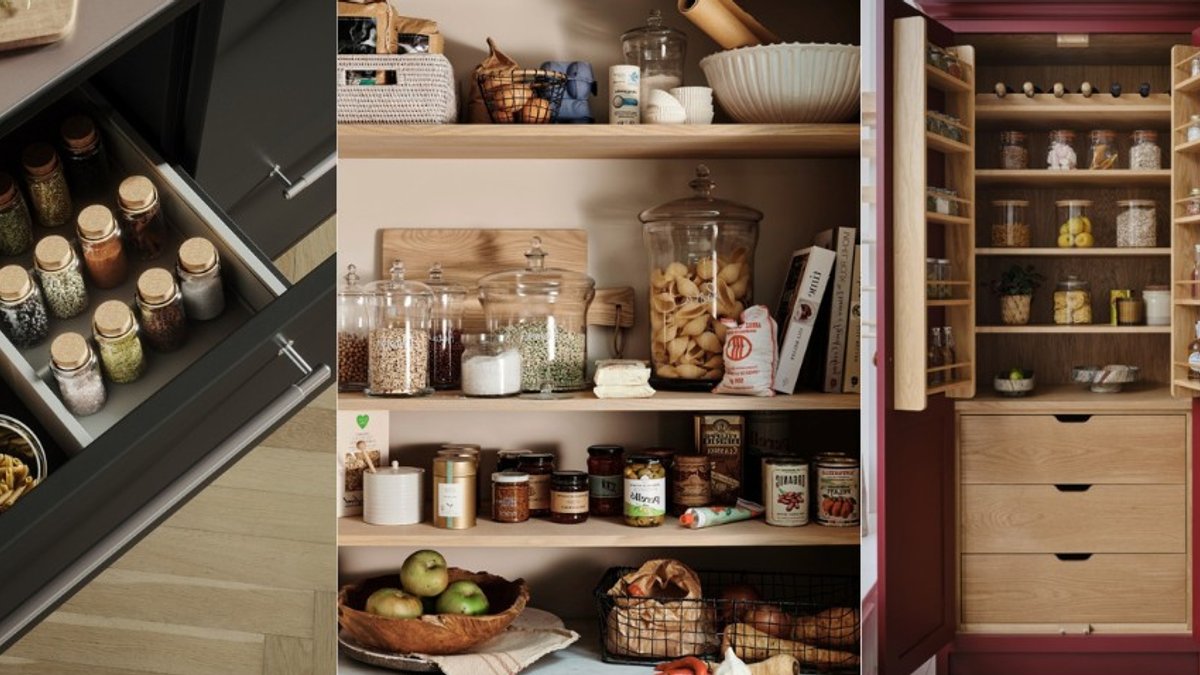
Organising a kitchen pantry and drawers is a practical project that can save time and reduce stress for homeowners. A chaotic storage setup often leads to wasted food and lost utensils, but a well-thought-out system serves daily routines better than rigid perfection.
Kitchens function best when items are grouped by type and usage. Alex Main, director at Main, suggests creating distinct zones for specific categories of goods. Storing dried goods like pasta, rice, and cereals together in clear glass jars helps track inventory and expiration dates. If baking is a frequent activity, a dedicated area for flour and sugar in airtight containers keeps essentials ready to use.
Brani Hadzhi, creative director at Multiliving Scavolini Store, agrees that zoning is essential for accessibility. He recommends placing dry goods at eye level for daily use. Heavier items like tins and condiments should be stored lower down to prevent accidents. This arrangement ensures that the most frequently accessed items remain within easy reach without constant bending or climbing.
Uniform containers create a streamlined visual appearance and reduce clutter. Charlotte Tilby, head of marketing and design at LochAnna Kitchens, notes that clear storage solutions make it easier to see when supplies are running low. This visibility encourages better inventory management and reduces the likelihood of buying duplicates.
Related: Loft bedrooms that make the most of space
Incorporating specific design features can improve the usability of pantry spaces. Al Bruce, founder of Olive & Barr, recommends stone or slate shelving to keep groceries cool. Slate is naturally cooler than quartz or marble, making it a traditional choice for larders that require temperature regulation.
Sebastian Aronowitz, founder of The London Kitchen Company, highlights the value of vertical storage. Installing spice racks on the backs of pantry doors saves valuable shelf space. This placement makes spices easily accessible, eliminating the need to rummage through packed shelves to find a specific jar.
Lighting and electrical outlets also enhance functionality. Adding lights to a pantry improves visibility in dark corners, while sockets free up worktop space in the main kitchen. These features allow for the use of small appliances without creating a mess of cords on the counter.
Think about how you physically move through the kitchen. If you generally stand in one spot to cook dinner, placing your most frequently used pans and utensils within arm’s reach of that spot makes more sense than placing them based on where the drawer space happens to be. A kitchen is a workspace, and the best storage layout follows the user’s natural flow rather than fighting against it.
Related: Make Your Garden Wildlife Friendly With Safe Water Features
Managing drawers effectively
Drawers require a different approach than pantry shelves. Brani Hadzhi notes that drawers work harder than any other storage in the kitchen but are often neglected during planning. Designing from the inside out is the most effective strategy.
Shallow drawers near the stove are ideal for utensils, while deeper drawers near the sink accommodate larger pans. Internal dividers are essential for keeping loose items contained. Without dividers, a drawer filled with spatulas and spoons can become disorganized within days.
Storage density is a major factor in drawer organization. Charlotte Tilby advises placing daily-use items in the most accessible drawers and cupboards. Less frequently used cookware and appliances belong higher up or toward the back. This hierarchy prevents clutter from building up in the main work areas.
Regular maintenance
Organisation is not a one-time event but an ongoing process. Charlotte Tilby emphasizes the importance of regular decluttering. Checking expiry dates every few months and removing unused items prevents the accumulation of stale or broken goods. Avoiding overbuying is also critical to maintaining a tidy system over time.


