
Creating a garden that supports local wildlife requires more than just planting flowers; it demands thoughtful design of essential resources like water. Providing safe access to water sources is a straightforward way to support biodiversity, especially when you consider the hidden dangers of standing water in a backyard.
One summer afternoon, a bumblebee died in a homemade ant well meant to keep insects away from a hummingbird feeder. The bee had floated alone in the cup, its fuzzy body matted and its pollen melting into sludge. The author had assumed the cup was safe for birds, but learned that bumblebees can easily drown in such small reservoirs.
Many bird enthusiasts use sticks as ladders in larger water features like ponds. However, small containers need the same safety modifications. A short, rough stick can serve as an escape ramp for insects while remaining small enough not to interfere with smaller birds like chickadees or goldfinches. This simple addition ensures that drinking water does not become a death trap for the creatures that rely on it.
Water is life, so it is frustrating when a water feature causes harm. Whether the goal is to attract songbirds or support pollinators, every water source should allow for easy escape. Covering water barrels with netting and adding gravel to butterfly dishes can further reduce the risk of accidental drowning.
Utilize Natural Plant Water Sources
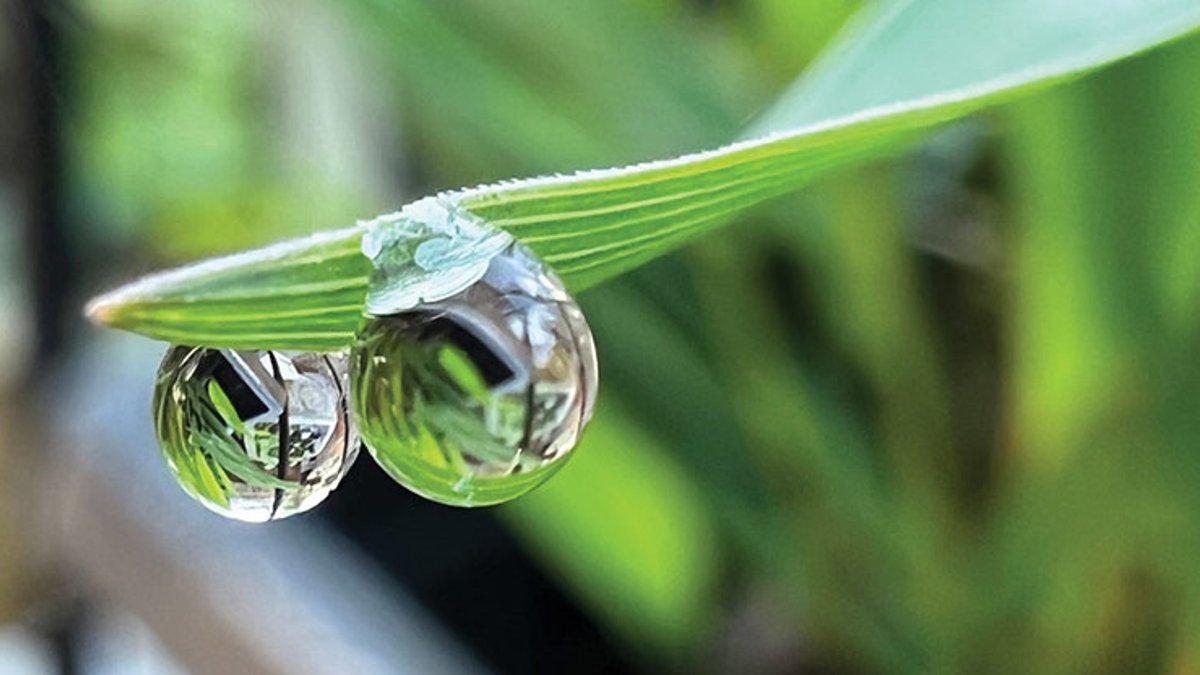
Some plants provide water naturally through a process called guttation. Hydathodes are one-way nozzles on leaf margins that release excess water, usually at night when humidity is high. This phenomenon occurs on leaves low to the ground, creating a safe drinking station that does not require safety ramps.
Common plants that exhibit this behavior include wild violets, columbine, tomato leaves, kale, grapevines, jewelweed, and bee balm. On certain days, almost every blade of grass in a garden may feature tiny, clear droplets. This process creates a valuable resource for ground-dwelling wildlife, particularly fireflies that are active at dawn.
Watching fireflies sip from the droplets on a wild violet leaf has become a daily highlight for the author. Since fireflies are exhausted after a night of mating, the guttation drops provide a breakfast rich in carbohydrates and protein. This natural occurrence offers a self-sustaining hydration solution that benefits multiple species simultaneously.
Designing for Visual Appeal and Habitat
While the primary function of a garden is to sustain life, aesthetics play a role in the user experience. A well-placed water feature can become a focal point for the yard, drawing the eye and calming the mind. The arrangement of plants around the water source should complement the overall theme of the outdoor space.
For those interested in the specific botanical combinations that create these natural habitats, the pairing of certain greenery can be quite instructive. Understanding how different varieties interact helps in designing a resilient ecosystem. Best blue hostas and ideal pairings offer a guide for selecting foliage that thrives together.
Ultimately, a garden is a living entity that changes with the seasons. By focusing on safety and natural resources, the space becomes a true haven for all visitors. The transition from a backyard to a sanctuary requires attention to detail and a willingness to learn from the behaviors of local wildlife.


