
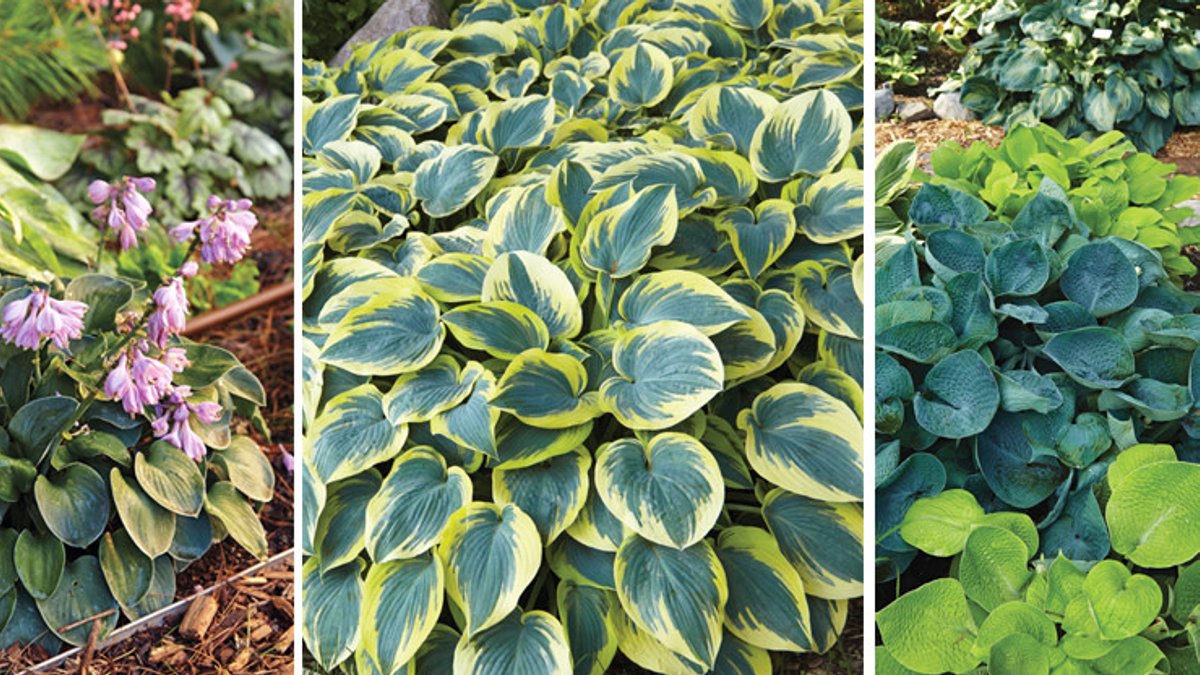
Blue hostas offer a distinctive color in shade gardens, where most foliage tends toward deep greens or variegated whites. Their glaucous leaves—a waxy, powdery coating—reflect light in a way that creates a blue appearance, particularly in cooler months. Unlike flowers that bloom briefly, hostas provide this color throughout the growing season, making them a practical choice for gardeners seeking consistent visual appeal with minimal upkeep.
The science behind the blue
The signature blue hue of these plants is not a pigment but an optical illusion caused by the waxy coating on their leaves. This coating scatters light, enhancing the perception of blue. New growth appears bluer because the coating is thicker, while older leaves often fade to green as the wax wears away. Morning sunlight preserves the color best, while intense afternoon heat can break down the coating, leaving leaves looking dull.
Hostas stand out as one of the few plants that maintain their color in full shade. Most blue-toned plants, such as delphiniums or cornflowers, require sunlight to develop their hues. Hostas, however, flourish in low light, where their blue tones become more noticeable against darker surroundings.
Eleven blue hostas worth planting
Not all blue hostas perform equally. Some retain their color longer, resist pests better, or feature unique shapes. The following varieties have proven reliable based on garden performance and recognition from the American Hosta Society.
Related: Tropical Plants Add Summer Style to Containers
‘Elegans’ has been a garden staple since 1905. Its large, rounded leaves emerge blue-gray in spring before shifting to a smoky green by summer. The corrugated texture adds depth, and white flowers with a lavender tint appear in midsummer. Growing 3 feet tall and 4 feet wide, it serves well as a backdrop for bleeding hearts or tulips, filling gaps as those plants fade in heat.
Companions: Brunnera, old-fashioned bleeding heart, tulips.
‘Abiqua Drinking Gourd’ earns its name with deeply cupped leaves that collect rainwater. The thick, seersuckered foliage deters slugs, and white flowers attract hummingbirds in early summer. It works best as a specimen plant near an entryway or in a container, where its texture stands out.
‘Halcyon’ features frosty blue-green leaves that hold their color well into summer. The spear-shaped, ribbed foliage resists slugs, and lavender flowers attract hummingbirds. It performs reliably in mass plantings under shade trees, brightening dark corners. Chartreuse ‘Sun King’ aralia or lady’s mantle make effective companions.
Companions: ‘Sun King’ aralia, lady’s mantle.
Related: Trillion cut diamonds: A modern and unique shape
The remaining four—‘Blue Angel’, ‘Blue Mammoth’, ‘Blue Umbrellas’, and ‘Blue Wedgwood’—complete the list with varying sizes and textures. All share the same waxy coating and preference for shade, but their differences in height and spread make them adaptable to various garden designs.
How to keep them blue
Hostas require little care, but a few practices help maintain their color. Dividing clumps every few years prevents overcrowding, which can stress plants and reduce the waxy coating. Avoid planting them in hot, dry areas; consistent moisture keeps leaves healthy and the color rich. Growing them from seed is not recommended, as hostas rarely produce offspring matching the parent’s intensity.
Claims of “royal blue” hostas that “glow” are exaggerated. The waxy coating has natural limits.
Beyond the hosta: companion plants
Blue hostas look most striking when paired with plants that enhance their color and texture. For contrast, bright flowers like impatiens or heucherellas in warm tones work well. For harmony, combine them with cool-colored foliage such as brunnera. Spring bulbs offer another useful pairing. Tulips or daffodils bloom early, then fade as the hosta’s leaves expand, creating a seamless transition. By the time the bulbs go dormant, the hosta has filled the space, keeping the garden lush throughout the season. For added variety, consider dahlias in bloom as a late-summer companion.


