
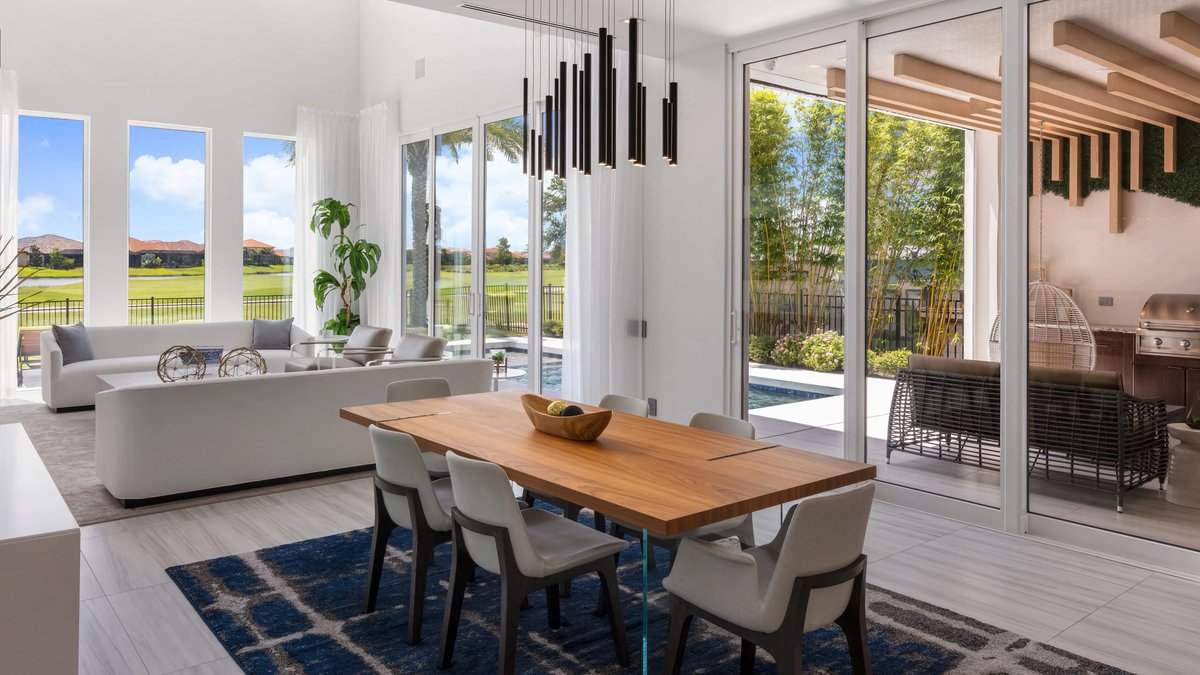
A survey by Talker Research, commissioned by KB Home, reveals that nearly 6 in 10 Americans have adjusted their views on home functionality after hosting guests. The study of 2,000 U.S. adults shows 58% now assess how their current or future homes could better support gatherings, whether for holidays, celebrations, or casual visits. This shift highlights a growing demand for spaces that blend daily living with social interaction.
Shared spaces dominate the list of desired upgrades. Open living areas lead the way, with 35% of respondents prioritizing them for hosting. Outdoor entertaining spaces follow closely at 30%, while kitchens also saw increased focus: 24% want a larger kitchen, and 21% each prefer an open kitchen design or a dedicated dining area. These trends suggest a move toward homes that serve both routine needs and social functions.
Hosting guests has also revealed shortcomings in many homes. 31% of participants noted improvements needed to enhance comfort, and 25% said the experience motivated them to declutter or clean more frequently. However, the experience was not entirely positive for all: 20% felt uneasy about their space, while 24% identified specific flaws they wished to fix. Living rooms (45%) and bathrooms (35%) were the most closely examined areas before guests arrived.
Builders are responding to these preferences by designing homes with flexible layouts, such as open floor plans and interconnected rooms. Kitchens, once viewed mainly as functional areas, are now increasingly seen as social hubs, often bridging indoor and outdoor spaces. Homeowners recognize that a home designed for hosting often improves daily living as well.
The survey, conducted online from October 9 to 13, targeted adults with internet access. It reflects a broader change in perspective: Americans are no longer distinguishing between “hosting spaces” and general living areas. Instead, they evaluate their entire home through the experience of shared activities.
KB Home’s findings indicate that the demand for adaptable, guest-friendly spaces is reshaping home design priorities. The company’s research suggests that future developments will likely emphasize layouts that support both social and everyday needs, further blurring the line between functional and recreational areas in residential planning.


