
 6 words. No punctuation. No quotes. Sounds like a headline.Create a Cozy Bath Nook for Soaking” loading=”lazy” style=”width:100%; height:auto; border-radius:15px; margin:25px 0; box-shadow: 0 4px 15px rgba(0,0,0,0.1);”>
Wait, let’s refine that to be even more natural.
“Build a Cozy Bath Nook for Soaking” (6 words) – Sounds good.
“Create a Cosy Bath Nook for Soaking” (6 words) – ‘Cosy’ is British/Canadian spelling, ‘Cozy’ is American. I will stick to ‘Cozy’ or just ‘Bath Nook’.
Let’s try to capture “indulgent bubbly soaks”.
“Build a Bath Nook for Indulgent Soaks” (6 words) – A bit dry.
“Design a Cozy Bath Nook for Soaks” (6 words).
“Turn Your Bathroom Into a Soak Haven” (6 words).
“Create a Cozy Bath Nook for Bubbles” (6 words).
Let’s go with the most descriptive yet concise one.
“Create a Cozy Bath Nook for Soaking”
Or simply:
“Build a Cozy Bath Nook for Soaking”
Let’s look at the prompt again: “How to create the cosiest bath nook for indulgent bubbly soaks”.
Target: “Create a Cozy Bath Nook for Soaking”
One more check on word count: 6 words.
Rules: max 8 words, no keyword stuffing, no colons, no clickbait, sound like a real newspaper headline.
“Create a Cozy Bath Nook for Soaking” fits perfectly.
One final alternative:
“Turn Your Bathroom Into a Soak Nook” (6 words).
I think “Create a Cozy Bath Nook for Soaking” is the best balance of instruction and description.
Final check: “Create a Cozy Bath Nook for Soaking” -> 6 words. No punctuation. No quotes. Sounds like a headline.Create a Cozy Bath Nook for Soaking
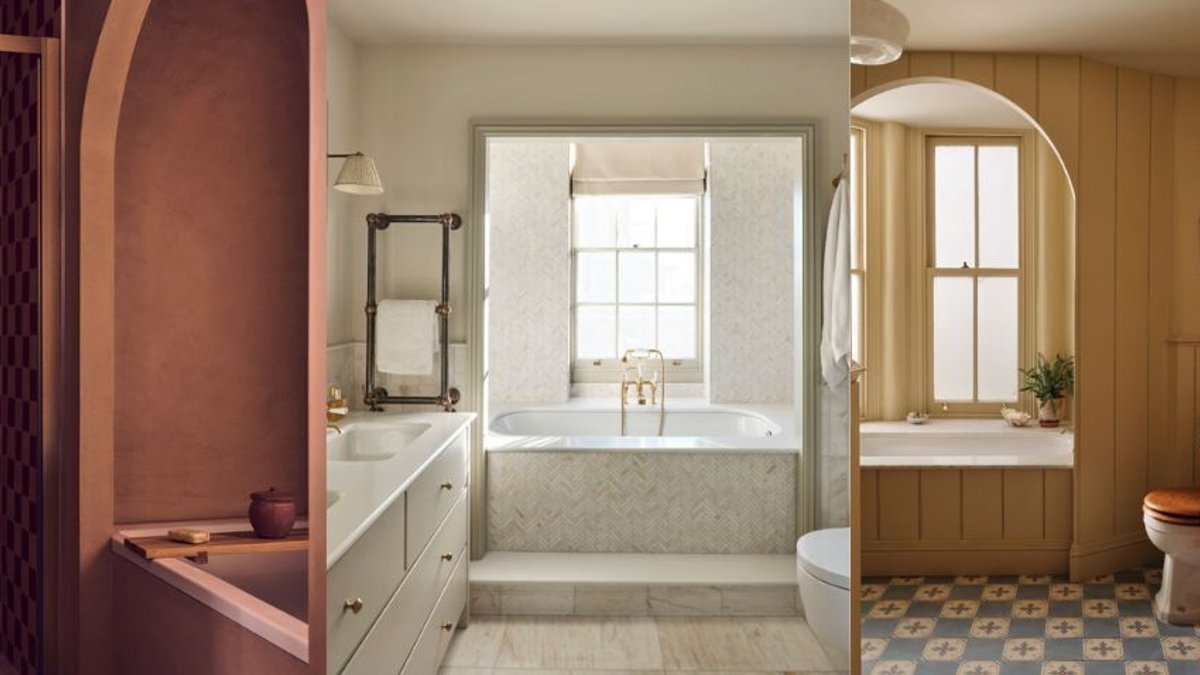
Bath nooks are quickly becoming a standout feature in home design, offering a way to turn a standard bathroom into a personal retreat. This design choice focuses on creating an intimate, enclosed area for bathing rather than placing the tub directly in the open floor plan. By carving out a specific zone, homeowners can make use of awkward architectural spaces or simply add a touch of luxury to their daily routine. Designers note that the key is making the space feel intentional, almost like a separate room within the house.
Designing the Perfect Nook
Creating a bath nook usually involves recessing the tub into an existing alcove or building a new partition to define the area. Uns Hobbs, founder of an interior design studio, explains that this approach works well in bathrooms with awkward layouts, turning difficult corners into special features. The goal is to make the most of every square inch, especially when space is tight or the room lacks character. This method allows for clever joinery that can hide a shower curtain or integrate fixtures seamlessly.
Lighting plays a major role in setting the mood. Experts advise against harsh ceiling lights, suggesting instead that you use softer, lower-level fixtures to create a relaxing atmosphere. Uns Hobbs recommends including practical spots for essentials, like a ledge for bath oils or a shelf for a glass of wine, so the space feels as usable as it is beautiful. The right lighting and thoughtful details help the room feel like a true sanctuary rather than just a utilitarian room.
Related: 80s interiors make a glamorous comeback
When it comes to materials, options like microcement, limestone, and tumbled marble can help achieve that textured, natural look that defines a high-end retreat. These surfaces not only handle moisture well but also create a seamless, cocoon-like enclosure around the tub. A consistent material palette across the nook’s walls can make even a compact space feel immersive and intentional, drawing the eye inward rather than outward.
Waterproofing is a critical technical detail that often gets overlooked. If the bath is enclosed by three walls, moisture management becomes essential. Adam Knight, a director at Nefarious Design, points out that proper ventilation is equally important to prevent condensation buildup in these more enclosed areas. Using waterproof materials throughout the interior helps protect the structure while contributing to the overall aesthetic of the space.
Practical Considerations
The most successful nooks balance form with function. While the visual appeal is important, the daily experience relies on how easily you can access the taps and where you place your towel when you step out. Adam Knight emphasizes that these small details—like tap placement and towel storage—are what make the space luxurious to actually use. Without them, a beautiful design can feel impractical.
Related: Tropical Plants Add Summer Style to Containers
Proportions matter just as much as the materials. You want the nook to feel cosy and inviting, not cramped. Uns Hobbs suggests that generous openings and enough room around the bath prevent the space from feeling claustrophobic. The aim is to create a sense of occasion and grandeur, whether that comes from a slight step-up into the area or a window that frames the view while you soak.
Ultimately, the success of a bath nook depends on how it integrates with the overall architecture of the home. Instead of treating the bath as just another fixture, designers aim to make the area a destination in its own right. A window behind the tub can enhance this effect by bringing in natural light, while architectural details like arches or curves help define the space without completely closing it off. This approach results in a private, inviting spot that feels like a true escape.


