
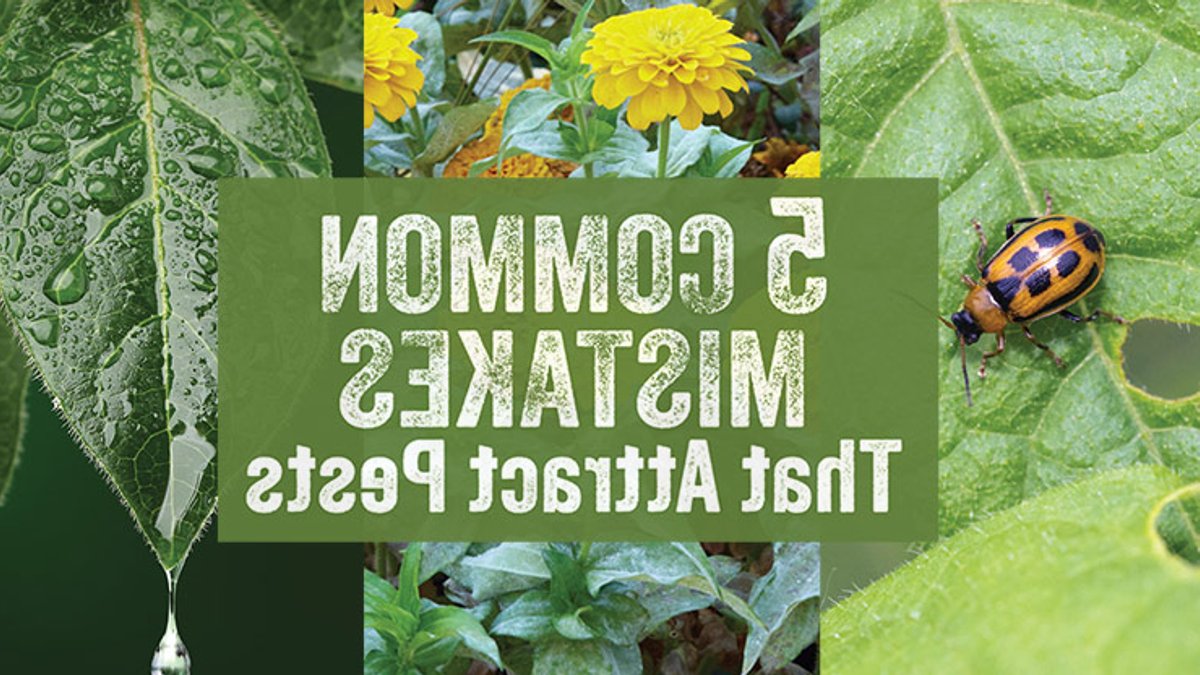
Garden pests often arrive slowly, building a foothold before gardeners notice the damage. Small mistakes in plant care can accidentally create an ideal environment for insects and diseases. Adjusting a few basic habits can stop a garden from becoming a buffet for bugs.
Watch Your Mulch Layers
Mulch helps conserve soil moisture and regulate temperature, but applying it incorrectly invites trouble. Piling mulch too high against plant stems creates a “mulch volcano” effect that traps moisture. This damp environment encourages rot and fungus. Slugs and other pests love these wet pockets. Too little mulch can also stress plants by causing uneven soil moisture and letting weeds compete for resources.
Stop Watering at Night
Watering plants late in the day often means foliage stays wet overnight. This prolonged wetness encourages fungal diseases like powdery mildew and leaf spot. Popular plants such as zinnia, bee balm, and garden phlox are especially vulnerable to these moisture-related issues. Watering earlier in the morning gives plants time to dry before nightfall, which significantly reduces the risk of infection. Lawns are also prone to diseases like brown patch when they stay wet too long.
Related: Beneficial Insects Help Control Garden Pests
Don’t Reuse the Same Soil
Many pests and diseases linger in the soil between growing seasons. Replanting the same crops in the exact same spot often leads to recurring infestations. If you had trouble with blight in your tomatoes last year, do not plant them in that bed again. Similarly, avoid planting squash or cucumbers where squash bugs were a problem. Moving plants to a different bed or section each year disrupts the pest life cycle and removes their preferred hosts.
This practice of crop rotation is a standard strategy for managing soil health, but it requires discipline to maintain. It is easy to fall into a routine and plant in the same spots out of habit. However, the long-term health of the garden relies on breaking that routine to prevent pathogens from accumulating in the earth. Without this change, even resistant varieties can struggle to survive the season.
Time Your Planting Cautiously
Planting too early in the spring exposes tender plants to peak pest activity before they are strong enough to withstand damage. Bean leaf beetles often target early-planted green beans. Cucurbits planted at the first sign of warm weather can also fall victim to squash bugs and cucumber beetles. Early-planted annuals like petunias and impatiens may grow slowly and produce soft new growth, which attracts aphids. Waiting a few weeks to plant gives plants time to mature and resist early attacks.
Related: Designer ends years-long hunt for dream home
Clean Up Debris Before Winter
Dead leaves and spent annuals left in the garden over winter can provide insulation for insects and disease. Squash vine borer eggs and blight spores can survive the cold in old plant debris. Diseased rose leaves may carry black spot through the winter, ready to infect new growth in the spring. Removing infected plant material before the snow flies helps break these cycles. Gardeners should discard anything that looks suspicious rather than composting it, as this prevents the spread of pathogens.
Keeping a garden healthy involves managing the environment to discourage unwanted visitors. For instance, understanding how beneficial insects help control garden pests can shift the focus from elimination to balance. [1] This approach creates a more resilient ecosystem.
Designing a home also requires careful planning to ensure longevity. A designer ends years-long hunt for dream home [2] by prioritizing sustainable features and layout efficiency. These principles apply equally to outdoor spaces.


