
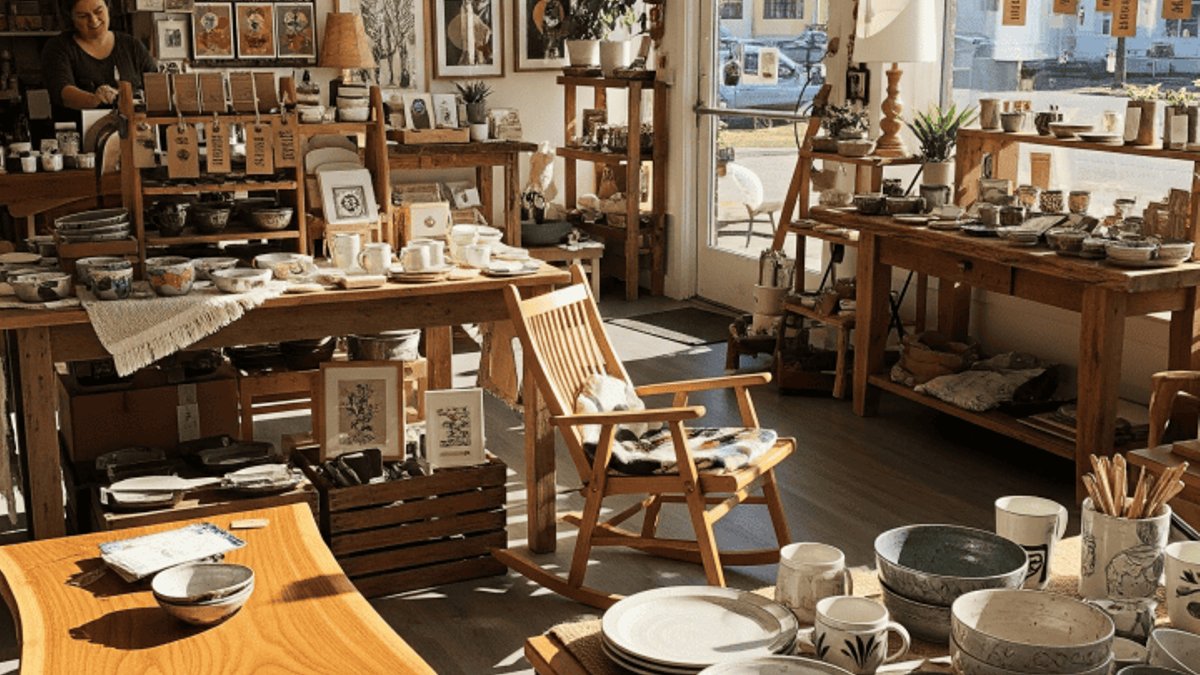
Adding character to a home often means looking beyond mass-produced furniture and focusing on locally made items. Buying handcrafted decor supports regional artisans and provides a personal touch that factory-made goods cannot replicate. For those seeking unique pieces, the hunt often starts in community spaces where creators showcase their work directly to the public.
Farmers markets and craft fairs serve as primary hubs for discovering regional craftsmanship. These venues offer a mix of goods, including handwoven baskets, wooden sculptures, and textiles. The benefit of visiting these events is not just the variety of items but the opportunity to speak with the makers. Hearing the story behind a piece often adds value to the purchase.
Artisan co-op shops offer another option for finding ethically sourced decor. These stores are dedicated to displaying work from local artists, ranging from hand-painted ceramics to custom furniture. By shopping at a co-op, buyers ensure their money goes directly to the creators who designed and built the item.
Online marketplaces can also be useful for finding locally made goods. While sites like Etsy feature sellers globally, many artisans use these platforms to reach wider audiences while maintaining local traditions. Filtering by location helps narrow the search to items that reflect specific cultural or community styles.
For items with a rich history, antique shops and vintage stores often carry locally sourced handcrafted decor. These locations are excellent for finding hand-carved furniture, old-world glassware, and decorative textiles that offer a timeless appeal. Visiting an artist’s studio or gallery provides the chance to buy directly from the creator, which can include custom lighting, abstract paintings, or sculptural furniture.
Local Examples
Several items highlight the range of local craftsmanship available. Fairmile Co in Vancouver, BC, sells vintage Hamichal 1940s wooden pots. In Dorchester, ON, Daloutier Co produces wispy pine tree metal wall art. Casinhaflores in Ottawa, ON, creates pink daisy ceramic vases.
Related: 2026 Design Trends Show Home Evolution
While the previous list offers practical places to shop, the market for unique decor has expanded beyond physical storefronts. In many cases, the most interesting pieces are those that have survived the test of time or were created through techniques that are no longer common. Finding a vintage vase or a hand-woven rug is often similar to finding a rare artifact; the item holds a history that a brand-new store-bought item simply cannot match. This connection to the past adds a layer of depth to the home that modern manufacturing rarely achieves.
The integration of these distinct elements into a living space can transform a house into a true reflection of personal taste. This evolution mirrors broader design shifts seen in modern interiors, where historical context meets contemporary aesthetics. Exploring these connections helps homeowners understand how specific choices shape their overall environment.
Homeowners can also look toward future design movements for inspiration. The trajectory of home aesthetics is constantly shifting, offering fresh perspectives on how to incorporate history and modernity together. Keeping an eye on upcoming trends ensures that personal style remains relevant and engaging over time.
Applying these concepts requires a thoughtful approach to selection and placement. The goal is to create a harmonious balance that honors the past while welcoming the future. This balance is essential for a home that feels both timeless and current.
Ultimately, the effort put into curating a space pays off in the form of a unique and meaningful environment. Every item tells a story, and together they weave a narrative that is distinctly one’s own.


